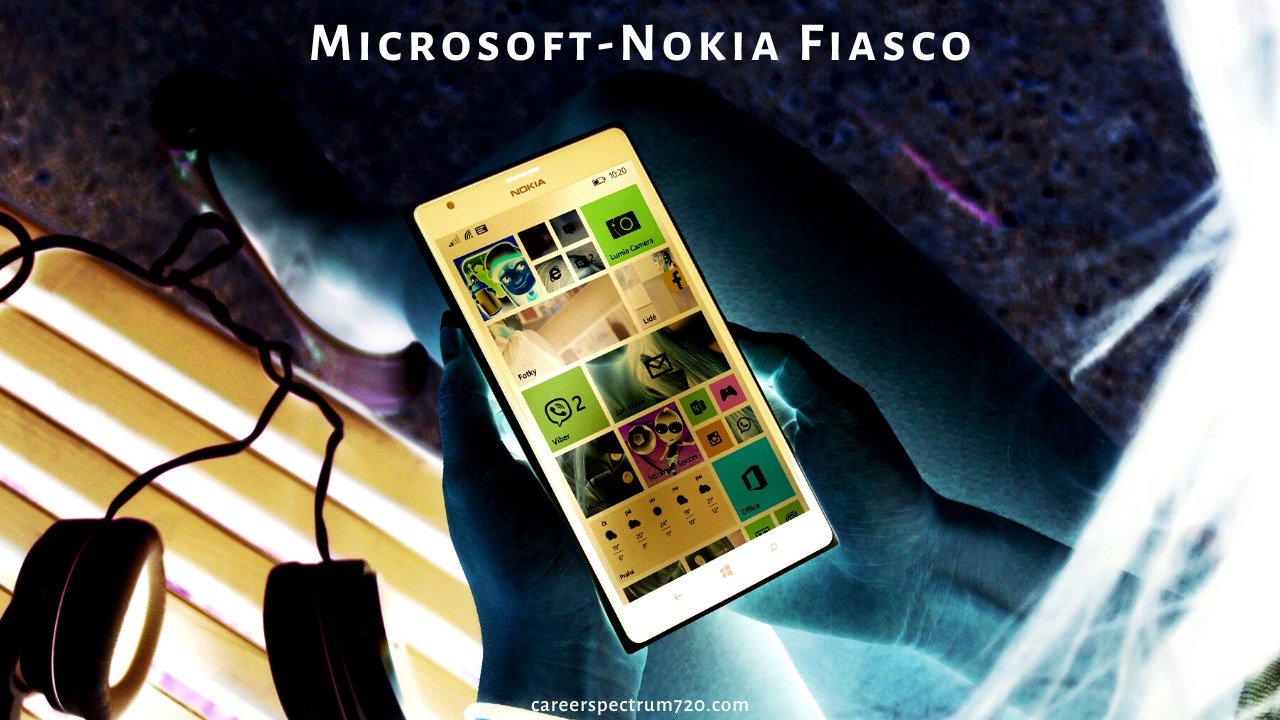
The acquisition of Nokia by Microsoft is often regarded as a decision that did not deliver the expected outcomes.
1. Failure to Regain Market Share: The acquisition was aimed at helping Microsoft establish a stronger presence in the smartphone market and compete with rivals like Apple and Samsung. However, despite the acquisition, Microsoft failed to regain significant market share, and Windows Phone struggled to gain traction against dominant players like Android and iOS.
According to market research firm Gartner, Nokia’s global smartphone market share declined from 19.1% in 2010 to 3.4% in 2013, before the acquisition was completed. This downward trend continued even after the acquisition, with Windows Phone (the operating system used by Nokia) struggling to gain significant market share.
2. Decline of Nokia Brand: Nokia, once a leading mobile phone manufacturer, had already faced a decline in market share and brand reputation by the time of the acquisition.
While Nokia’s brand initially remained on Microsoft-acquired Lumia smartphones, Microsoft gradually phased out the Nokia brand from its mobile devices.
3. Write-Downs and Job Cuts: In 2015, Microsoft announced a write-down of $7.6 billion related to the Nokia acquisition. This write-down represented a substantial portion of the acquisition cost and reflected the challenges and financial impact of the venture. Additionally, Microsoft announced significant job cuts related to the acquisition, affecting thousands of employees.
4. Limited Synergies: The expected synergies between Microsoft’s software expertise and Nokia’s hardware capabilities did not materialize to the extent anticipated. The integration of the two companies faced challenges, and the benefits of the acquisition were not fully realized.
After the acquisition, Microsoft shifted its mobile strategy and focus. In 2015, the company announced a restructuring plan that involved narrowing its smartphone hardware business and placing more emphasis on software and services, particularly in the enterprise market.
5. Missed Opportunities: The acquisition was completed at a time when the smartphone market was rapidly evolving, with Android and iOS dominating the industry. Microsoft’s inability to leverage Nokia’s assets effectively and capitalize on emerging market trends resulted in missed opportunities to gain a stronger foothold in the mobile market.
According to IDC’s smartphone market share data, Windows Phone’s market share declined from 3.3% in 2013 (prior to the acquisition) to less than 1% by 2017.
While the Microsoft-Nokia acquisition had its strategic intentions, the expected benefits and market position improvements were not achieved, leading to the perception that it was not a good decision.

Visit CS720 Decision Making Repository