Job Spectrum
2024 and Beyond
AI is NOT an extension of software
Its an entire being. Something akin to a new species – though artificial. The next industrial revolution and the future of work are going to be centred around it.
Job Spectrum
2024 and Beyond
AI is NOT an extension of software
Its an entire being. Something akin to a new species – though artificial. The next industrial revolution and the future of work are going to be centred around it.
We are witnessing the creation of something that is exponentially smarter than us and may even go on to enslave us. While artificial intelligence hasn’t reached that stage, yet, it is going to change the job market and shape the workplace of the future.
It is natural to wonder what skills will be relevant in the workplace of the future? Will the education system and organizational trainings be able to keep up with the changing pace of workplace? And what jobs would be safe from the threat of artificial intelligence?
We have gone from farming to working in coal mines to sitting in tall buildings. But now we are forced to wonder whether the jobs of the future will have a human component?
These are just some of the questions that many have been asking. While we do not have all the answers, in the current context we do have some understanding of the future of work.
The real challenge is that even though many people are aware of the changes taking place, they are not entirely prepared for the impact these changes are going to bring about.
The adoption of AI will continue to happen at a breakneck pace and it is now visible how quickly AI is evolving. As pointed out by some YouTubers including Marques Brownlee in the video “AI Generated Videos Just Changed Forever1,” in one year alone AI has started publishing videos that have started rivaling their work.
At this point of time, it is just a matter of when we start seeing the impact of AI in any given dimension.
Clearly, neither the education system nor the re-skilling division within organizations could have predicted how quickly AI will scale up.
Not too long ago, everyone was saying to focus on creative jobs to beat automation. Today, the very creative jobs are at the mercy of AI. Generative AI tools for art and music have already started flooding the market.
Artificial intelligence is the future and it has already been put into practice.
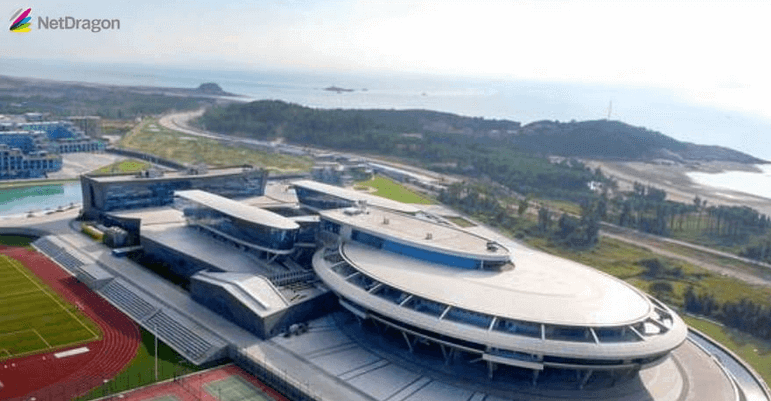
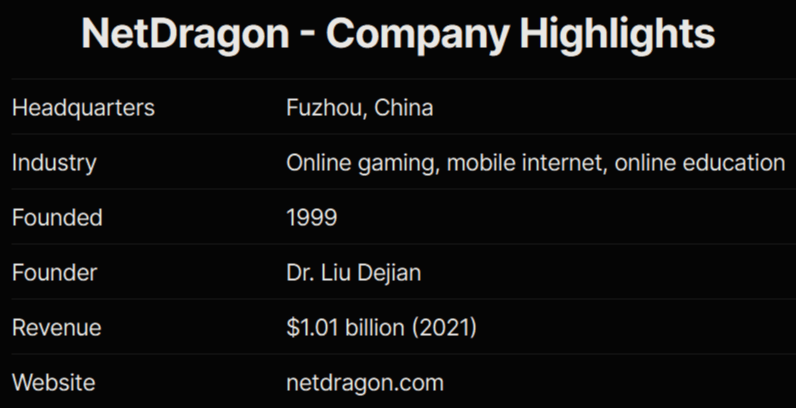
In August 2022, China-based NetDragon Websoft appointed the AI program Tang Yu as its CEO.
“We believe AI is the future of corporate management, and our appointment of Ms. Tang Yu represents our commitment to truly embrace the use of AI to transform the way we operate our business, and ultimately drive our future strategic growth.” – Dr. Dejian Liu, Chairman of NetDragon2.
Tang Yu – the AI CEO – outperformed the Hong Kong’s Hang Seng Index in the first six months since its appointment. NetDragon Websoft’s share price went up by 10% and its valuation crossed the $1 Billion mark.
Of course, this is going to be replicated across organizations and given how loose AI governance is at the moment – we are in an uncharted territory.
Take a look at how jobs across industries have changed from 1850 to 2015:
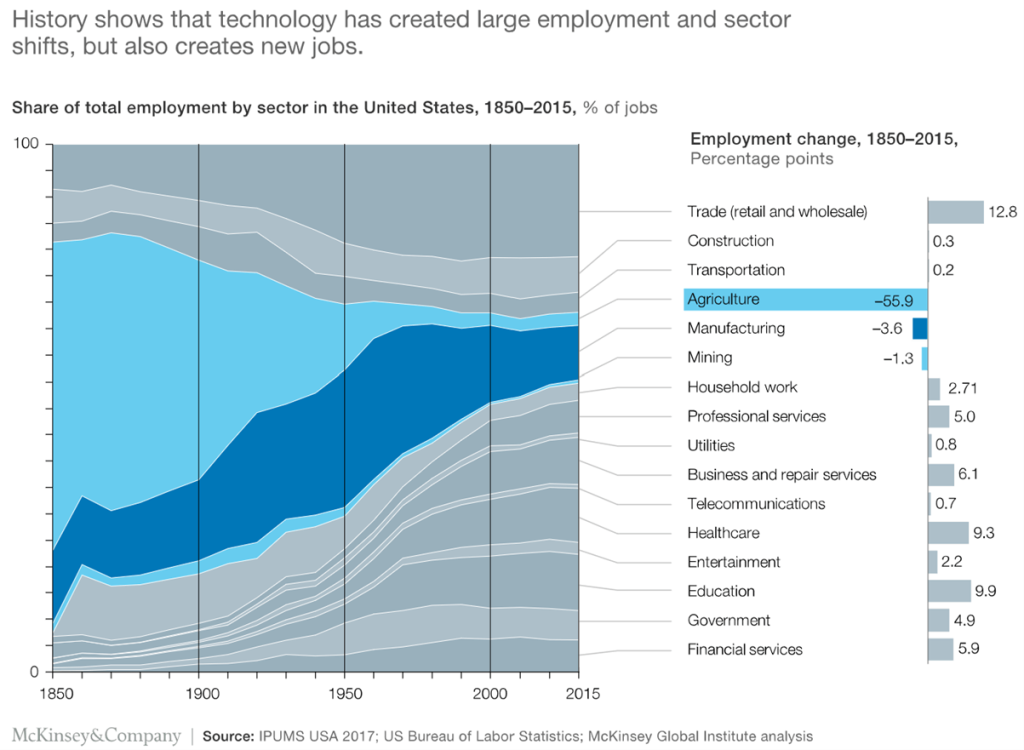
The above graph indicates how employment in other sectors grew at the cost of agriculture.
Though historically technology has created jobs at the expense of old ways of working, it is unclear at the moment how AI will create new jobs that it won’t be able to cannibalize in the future.
This industrial revolution is different from those that preceded it as the industrialization (and the technology) that the Luddites were protesting against couldn’t have replaced humans from the top of the ladder. However, with artificial intelligence it is different.
Back in 2017 an OECD report3 identified the following Mega-trends shaping the future of work:

- Technological progress – The automation of routine as well as non-routine tasks is a cause for concern. Generative AI is both an opportunity and a threat.
- Demographic change – Imbalance in the working-age population will lead to labour shortages in some countries while unemployment in others.
- Globalisation – The changing dynamics of global trade is leading to increased income inequality and poorer working conditions.
- Value changes – With the advent of work from home, we are transitioning from “work-life balance” to “work-life integration.”
Our understanding is that the above mega-trends will largely have a high degree of impact.
Mega-Trends | Impact |
Technology | High – Automation and AI are driving innovation and change at a rapid pace. |
Demographics | Medium – Changes in population happen at a slower pace and are easier to predict. |
Globalization | High – Exports and Imports determine the jobs created and offshored to other countries. |
Value Change | High – Getting the job done counts more than where it was done. People want flexibility. |
Another report that throws some light into the jobs that are going to be in demand in the upcoming future comes from the World Economic Forum4.
Top 10 upcoming job profiles as per WEF 2023 report:
| 1. AI and Machine Learning Specialists |
| 2. Sustainability Specialists |
| 3. Business Intelligence Analysts |
| 4. Information Security Analysts |
| 5. Fintech Engineers |
| 6. Data Analysts and Scientists |
| 7. Robotic Engineers |
| 8. Electrotechnology Engineers |
| 9. Agricultural Equipment Operators |
| 10. Digital Transformation Specialists |
| 1. AI and Machine Learning Specialists |
| 2. Sustainability Specialists |
| 3. Business Intelligence Analysts |
| 4. Information Security Analysts |
| 5. Fintech Engineers |
| 6. Data Analysts and Scientists |
| 7. Robotic Engineers |
| 8. Electrotechnology Engineers |
| 9. Agricultural Equipment Operators |
| 10. Digital Transformation Specialists |
A deeper look at the upcoming top 10 jobs of the future reveals the following:
Future of Work Role: AI and machine Learning Specialists
Description: Development of AI algorithms and devices.
Salary: $100,000 – $250,000/ year
Career Spectrum 720’s Remark: As more and more companies invest in AI algorithms, the need for AI specialists and machine learning specialists will continue to grow. Just make sure your company’s hot AI imaging tool doesn’t generate black polar bears.
Future of Work Role: Sustainability Specialists
Description: Reduce organizations impact on the environment through resource/ energy optimization
Salary: $60,000 – $140,000/ year
Career Spectrum 720’s Remark: As climate change and carbon footprint continue to be in the lime light, expect demand in this job profile. Environmentalist who truly care for the environment could start here instead of protesting on the roads.
Future of Work Role: Business Intelligence Analysts
Description: Leverage data to help organization make business decisions.
Salary: $55,000 – $130,000/ year
Career Spectrum 720’s Remark: Given the proliferation of data and business complexities, analysts will be in demand to help businesses navigate business decisions. It turns out that businesses with ages of business experience need your intelligence to run their business. Also, you get paid for helping.
Future of Work Role: Information Security Analysts
Description: Safeguard organization’s digital assets from cyber-attacks.
Salary: $60,000 – $130,000/ year
Career Spectrum 720’s Remark: A digital organization without digital safety is like a car without brakes. Cars need brakes. Period.
Future of Work Role: Fintech Engineers
Description: Drive the development of digital banking, blockchain etc.
Salary: $60,000 – $130,000/ year
Career Spectrum 720’s Remark: Digital transactions need robust systems. And people to build and maintain them. From trading cows (barter system) to 1s and 0s, we continue to function on exchange of values.
Future of Work Role: Data Analysts and Scientists
Description: Collect and derive meaningful conclusions from data to highlight trends and patterns.
Salary: $50,000 – $180,000/ year
Career Spectrum 720’s Remark: As the number of computing devices continue to grow, the data generated will continue to grow. Somebody needs to make sense of all that data.
Future of Work Role: Robotic Engineers
Description: Build robots and robotic systems.
Salary: $60,000 – $190,000/ year
Career Spectrum 720’s Remark: Many heavy industries and difficult jobs need robotic systems and people to build and maintain them. As long as you don’t end up building terminators its fine.
Future of Work Role: Electrotechnology Engineers
Description: Development of electrical, electronic and telecommunications systems and related components.
Salary: $70,000 – $160,000/ year
Career Spectrum 720’s Remark: Get ready for old-school hardcore engineering. Without electricity, electronic components and telecommunication equipment we might as well be in the Middle Ages. Wear safety equipment or a few or more amperes of current might happen to run through your body. Shocking!
Future of Work Role: Agricultural Equipment Operators
Description: Operate farming equipment to support activities such as planting, cultivating, harvesting crops etc.
Salary: $30,000 – $50,000/ year
Career Spectrum 720’s Remark: While World Economic Forum lists this as an upcoming job profile, the current salaries don’t strongly reflect the same, this might change in the future.
Future of Work Role: Digital Transformation Specialists
Description: Adoption and implementation of digital technology across the organization.
Salary: $70,000 – $180,000/ year
Career Spectrum 720’s Remark: Turns out we haven’t run out of digital transformation opportunities yet. Till every bone in your body has been digitally transformed and some mega social media corporation hasn’t mined that data and sold it to advertisers, these roles will continue to exist.
Note: Salary data taken from indeed.com
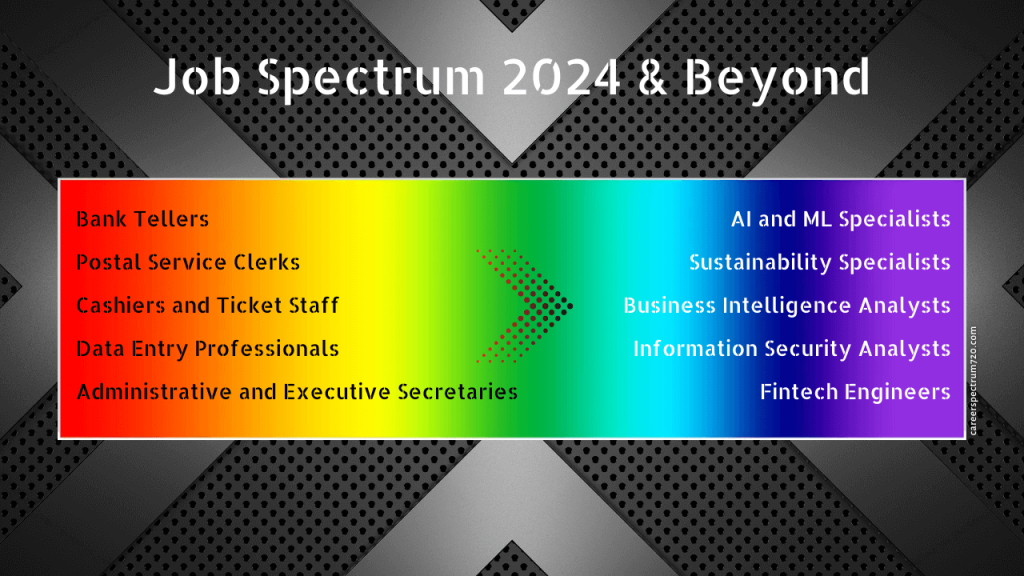
The same World Economic Forum report also indicates the top 5 jobs that are on the way out:
| 1. Bank Tellers |
| 2. Postal Service Clerks |
| 3. Cashiers and Ticket Staff |
| 4. Data Entry Professionals |
| 5. Administrative and Executive Secretaries |
| 1. Bank Tellers |
| 2. Postal Service Clerks |
| 3. Cashiers and Ticket Staff |
| 4. Data Entry Professionals |
| 5. Administrative and Executive Secretaries |
From the above list we can see that clerical and administrative level jobs are going to be impacted first.
The future remains largely uncertain, however certain skills will be relevant long into the future.
Top 3 Skills of The Future:
1. Creative Thinking
Sometimes referred as creative problem solving, creative thinking refers to the application of innovative approaches to problems. Creative thinking comes from applying a variety of ideas from different disciplines to solve a certain problem.
Example:
In 1972, American engineer Roger W. Riehl decided to harness the power of light to measure time. In doing so he created the world’s first solar watch – Synchronar 2100.

Credit: Riehl Time Corporation
2. Analytical Thinking
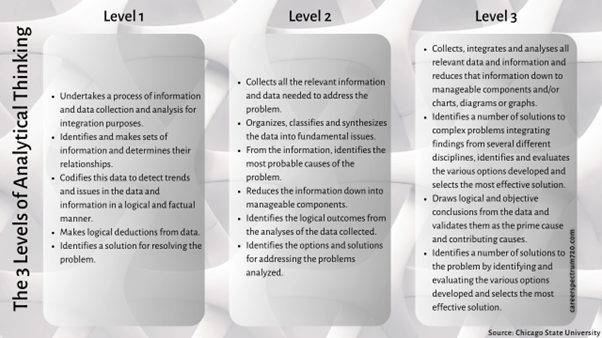
Analytical thinking resolves problems by identifying the cause-and-effect relationships and connecting the two components.
Example:
When shortly after launch Samsung Galaxy Note 7 phones started combusting, a global recall was enacted. Eventually, the problem was pinned down to a battery design flaw in the original run of devices. In the second recall phase, the problem was pinned on battery manufacturing defect – caused due to improper welding by the Chinese battery supplier. The Chinese battery supplier had cut corners to meet the supply targets. Both recall incidents led to the global failure of Samsung Galaxy Note 7. All this paved the way for Samsung’s 8-point battery safety check:

Credit: Samsung
3. Technological Literacy
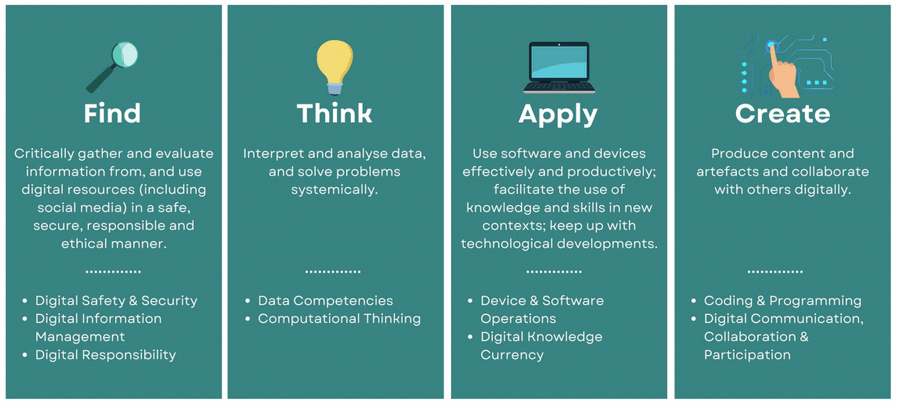
The goal of technology literacy is to use technology to solve problems efficiently and effectively.
It can range from having an understanding of basic computer applications such as the office suite to deeper knowledge of advanced applications such as Photoshop and even some programming.
Example:
In March 2020 Singapore’s Ministry of Education launched the National Digital Literacy Programme for schools and Institutes of Higher Learning to boost acquisition of digital skills.
Credit: Ministry of Education, Singapore5
Business Leaders on The Future of Work
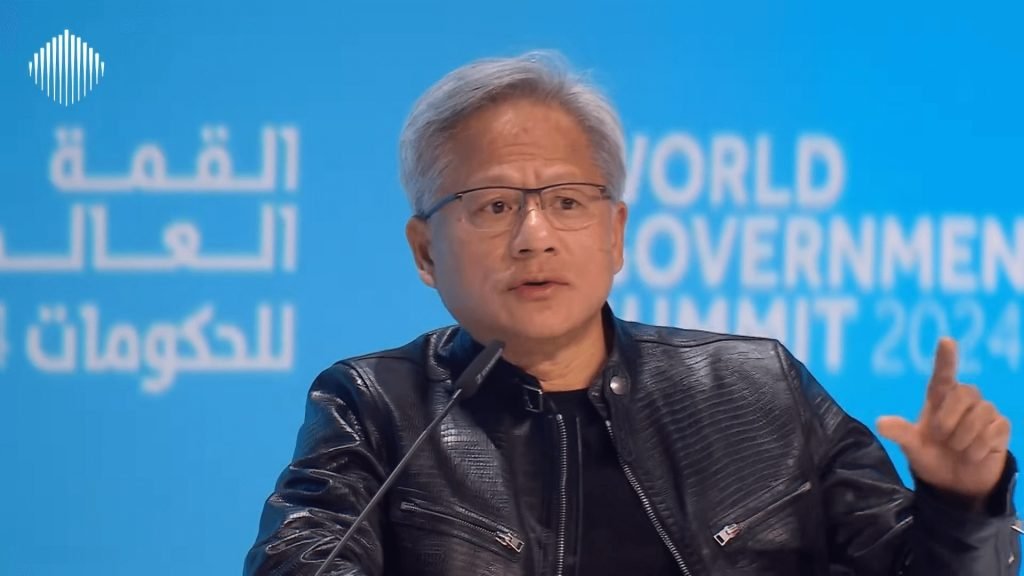
Jensen Huang (Nvidia) – World Governments Summit 2024
I’m going to say something and it’s going to sound completely opposite of what people feel. You probably recall over the course of the last 10 years – 15 years, almost everybody who sits on a stage like this would tell you it is vital that your children learn computer science… everybody should learn how to program and in fact it’s almost exactly the opposite. It is our job (Nvidia) to create computing technology such that nobody has to program and that the programming language is human… everybody in the world is now a programmer this is the miracle of artificial intelligence.
… one of the most complex fields of science is the understanding of biology – human biology.
… the technology to turn life science to life engineering is upon us and that digital biology will be a field of engineering not a field of science. It will continue to have science of course but not a field just of science. I hope that this is going to start a whole generation of people who enjoy working with proteins and chemicals and enzymes and materials and they’re engineering these amazing things that are more energy efficient, that are lighter weight, that are stronger, that are more sustainable. All of these inventions in the future are going to be part of engineering not scientific discovery. So, I think we can end with a very positive note – hopefully we’re going to enter an era of discovery.
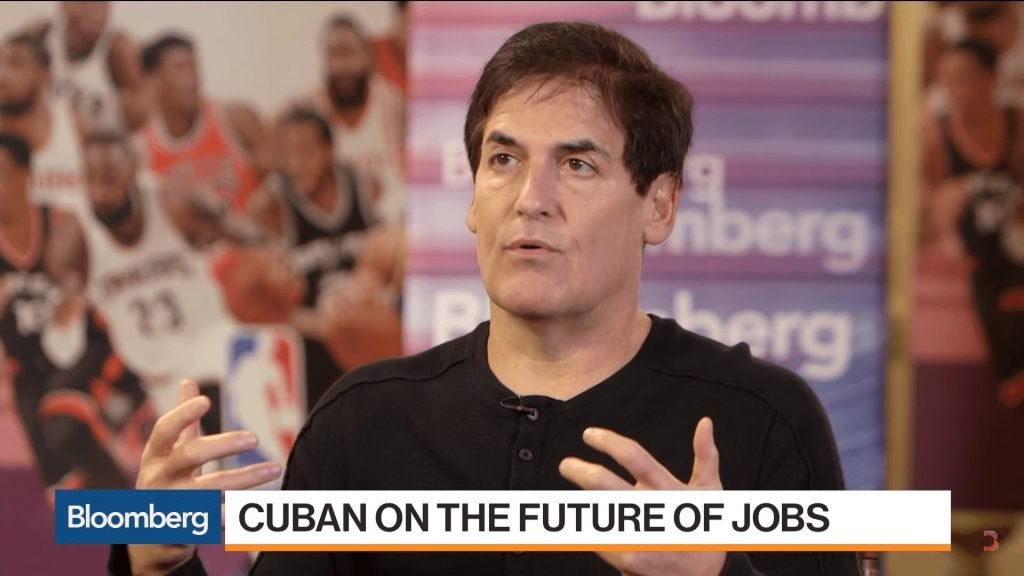
Mark Cuban (Dallas Mavericks) – Bloomberg Interview 2017
The amount of change we’re going to see over the next 5 years – 10 years will dwarf everything that’s happened over the last 30. We went from automating pen and paper with spreadsheets to connecting PCs into local networks to connecting people…
But now we’re introducing machine intel – artificial intelligence, machine learning, deep learning, neural networks Etc. So what that enables is the automation of automation.
…so the people who were writing software particularly at the lower end, unless they are doing these advanced things they’re gone (fired).
I personally think there’s going to be a greater demand in 10 years for liberal arts majors than there were for programming majors and maybe even engineering because when the data is all being spit out for you… you need a different perspective in order to have a different view of the data.
The real issue is… if five million people have their jobs disrupted and we all see the direction everything is going and how quickly it is going… what are you going to do with them?
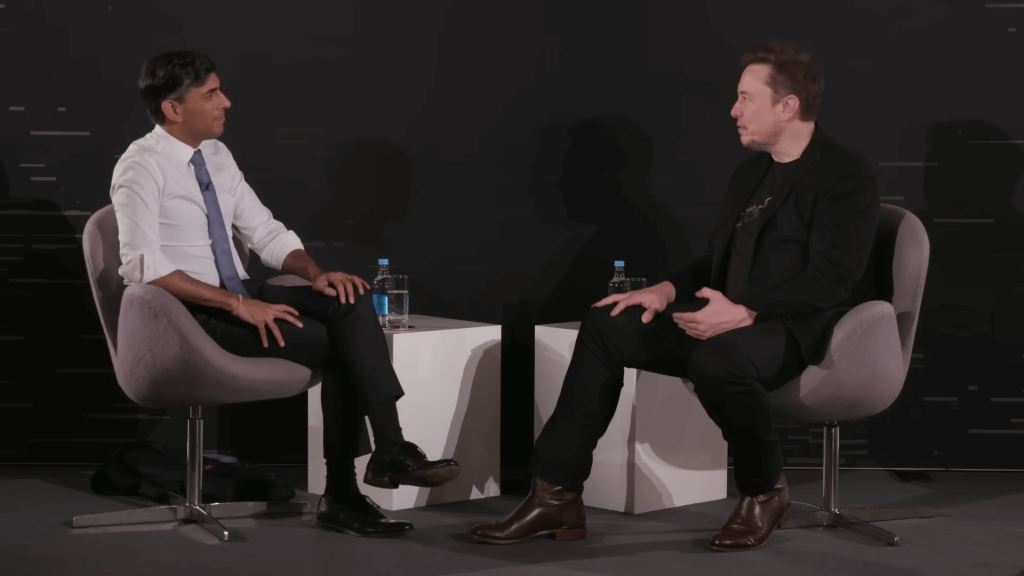
Elon Musk (Tesla, SpaceX, X) – AI Safety Summit 2023
We will have for the first time something that is smarter than the smartest human…
It’s hard to say exactly what that moment is but there will come a point where no job is needed.
You can have a job if you want to have a job for sort of personal satisfaction but the AI will be able to do everything. So I don’t know if that makes people comfortable… (or) uncomfortable.
… new technology – it tends to have usually follow an S curve. In this case we’re going to be on the exponential portion of the S curve for a long time.
… we won’t have universal basic income we’ll have universal high income so in some sense it’ll be somewhat of a leveler or an equalizer… because really I think everyone will have access to this magic genie.
Is There Really a Future of Work?
The famous CEO of General Electric, Jack Welch once said:
“When the rate of change outside is greater than the rate of change inside, the end is near.”
It is impossible to keep up with everything that is happening in the AI space.
AI’s rapid pace of development will go on to enlarge the gulf that separates the haves from the have-nots.
On many occasions these changes will be driven by a combination of human and artificial intelligence inputs.
So, where does that leave us?
Prior industrial revolutions were driven by steam engine, electricity and computers. They eradicated many jobs but went on to create several new ones.
Steam engine wasn’t capable of thinking for itself.
Electricity didn’t have a brain of its own.
Computers were dead stupid and became “user-friendly” only with the passage of time.
AI is different – it is capable of thinking and evolving. It is being actively paired with robots to expand its physical presence. (Microsoft, OpenAI and Nvidia have jointly invested in Figure AI to develop humanoids).6
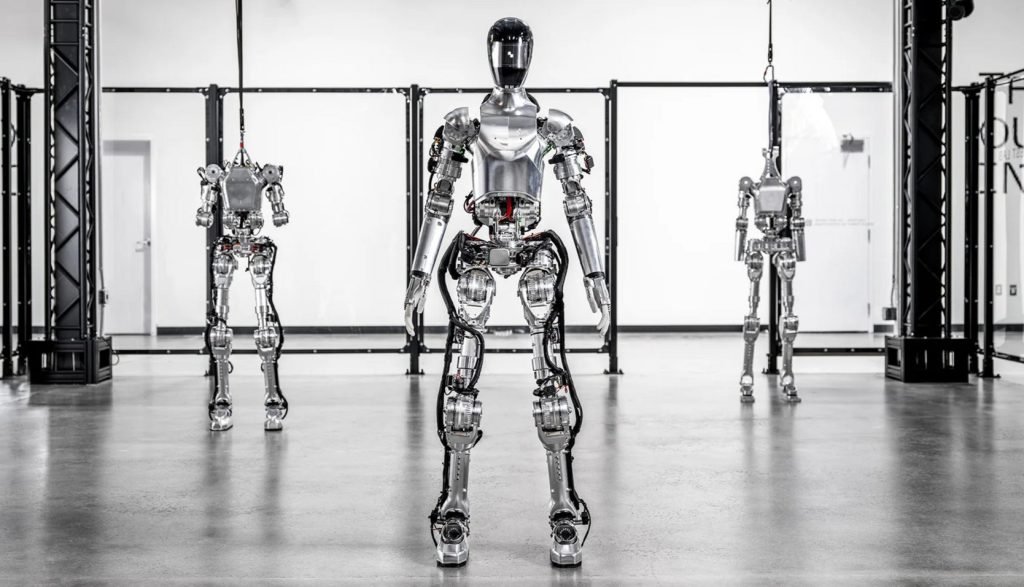
Credit: Figure AI
Taking into account the current realities, in the future AI will be able to do almost anything. Even those things we struggle to do.
The million dollar question really is what will we all do once there is nothing left to do?
The answer to this question will shape up as we progress through time.
In the meantime, to win more in life sharpen your concept of decision making.
References:
- https://www.youtube.com/watch?v=NXpdyAWLDas
- https://www.prnewswire.com/news-releases/netdragon-appoints-its-first-virtual-ceo-301613062.html
- https://www.oecd.org/els/emp/wcms_556984.pdf
- https://www.weforum.org/publications/the-future-of-jobs-report-2023/in-full/
- https://www.moe.gov.sg/education-in-sg/educational-technology-journey/edtech-masterplan/digital-literacy-and-technological-skills
- https://www.ft.com/content/3f7e86e1-123a-4fba-af0a-680d955125c0